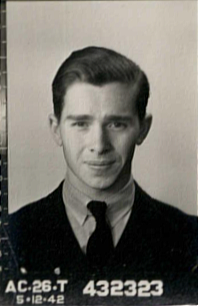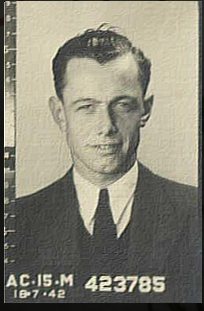
WILLIAMS, Albert Edward
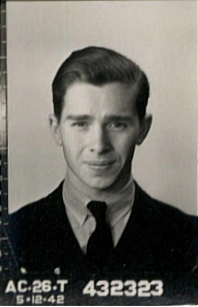
Warrant Officer Walter Furlong was 24. The son of Walter and Winifred Furlong, raised in Haberfield. By early 1945, he had earned the rank of Warrant Officer and the pilot's seat of a Bristol Beaufighter with No. 455 Squadron RAAF, one of the most effective anti-shipping units in Coastal Command. Flight Sergeant Albert Williams was 20. A draughtsman from Artarmon who attended Sydney Technical High School. He enlisted at eighteen, trained as a Navigator Wireless operator, and was paired with Furlong at the Operational Training Unit in Scotland. In the RAAF, you chose the man you would fly with. They chose each other. On 3 April 1945, their squadron launched a strike against Egersund Harbour in Norway. The weather closed in. The operation was cancelled, the right decision, one that saved lives. During the turn for home, their port engine failed over the North Sea. They ditched. The Beaufighter broke apart on impact. Other crews saw the dinghy inflate. Saw one man swimming toward it. The rescue aircraft came. They never found them. Walter Furlong and Albert Williams were two of the last Australians 455 Squadron lost. The squadron flew its final operation one month later. In four years, it sank 18 vessels and lost 91 personnel. They were killed on a mission that never reached its target, in a sea that didn't give them back. They were doing the work that kept the Norwegian sea lanes closed and the war moving toward its end. Australia should be proud of both of them.
Warrant Officer Walter Furlong was 24. The son of Walter and Winifred Furlong, raised in Haberfield. By early 1945, he had earned the rank of Warrant Officer and the pilot's seat of a Bristol Beaufighter with No. 455 Squadron RAAF, one of the most effective anti-shipping units in Coastal Command. Flight Sergeant Albert Williams was 20. A draughtsman from Artarmon who attended Sydney Technical High School. He enlisted at eighteen, trained as a Navigator Wireless operator, and was paired with Furlong at the Operational Training Unit in Scotland. In the RAAF, you chose the man you would fly with. They chose each other. On 3 April 1945, their squadron launched a strike against Egersund Harbour in Norway. The weather closed in. The operation was cancelled, the right decision, one that saved lives. During the turn for home, their port engine failed over the North Sea. They ditched. The Beaufighter broke apart on impact. Other crews saw the dinghy inflate. Saw one man swimming toward it. The rescue aircraft came. They never found them. Walter Furlong and Albert Williams were two of the last Australians 455 Squadron lost. The squadron flew its final operation one month later. In four years, it sank 18 vessels and lost 91 personnel. They were killed on a mission that never reached its target, in a sea that didn't give them back. They were doing the work that kept the Norwegian sea lanes closed and the war moving toward its end. Australia should be proud of both of them.